Top Medical Billing Trends That Will Define 2026 & Beyond
Medical Billing Trends 2026 are rapidly transforming how healthcare providers manage revenue, claims, and patient data. With technology evolving at an unprecedented pace, the billing landscape is becoming smarter—but also more complex.
From AI-powered automation to stricter compliance requirements, these trends bring both exciting opportunities and serious challenges. Healthcare providers who fail to adapt may struggle with inefficiencies and revenue loss, while those who embrace change can unlock powerful growth.
Let’s explore the most important medical billing trends that will define 2026 and beyond.
1. AI and Automation Are Taking Over Billing Processes
Artificial Intelligence (AI) is no longer optional—it’s becoming the backbone of modern billing systems.
Key Benefits:
- Faster claims processing
- Reduced human errors
- Automated coding and billing workflows
- Predictive analytics for revenue cycle management
AI tools can now detect coding mistakes before submission, reducing claim denials significantly. However, over-reliance on automation without human oversight can sometimes lead to unexpected errors.
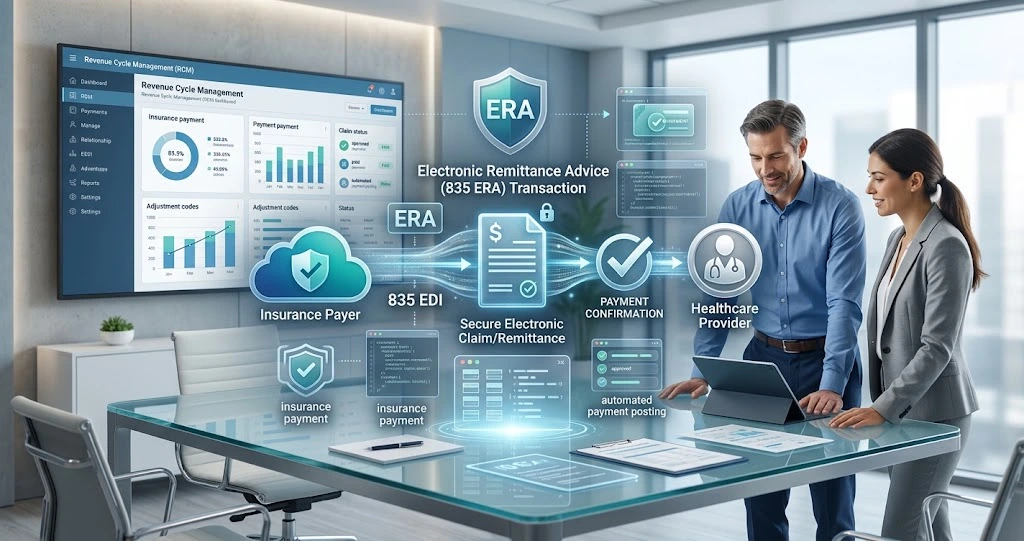
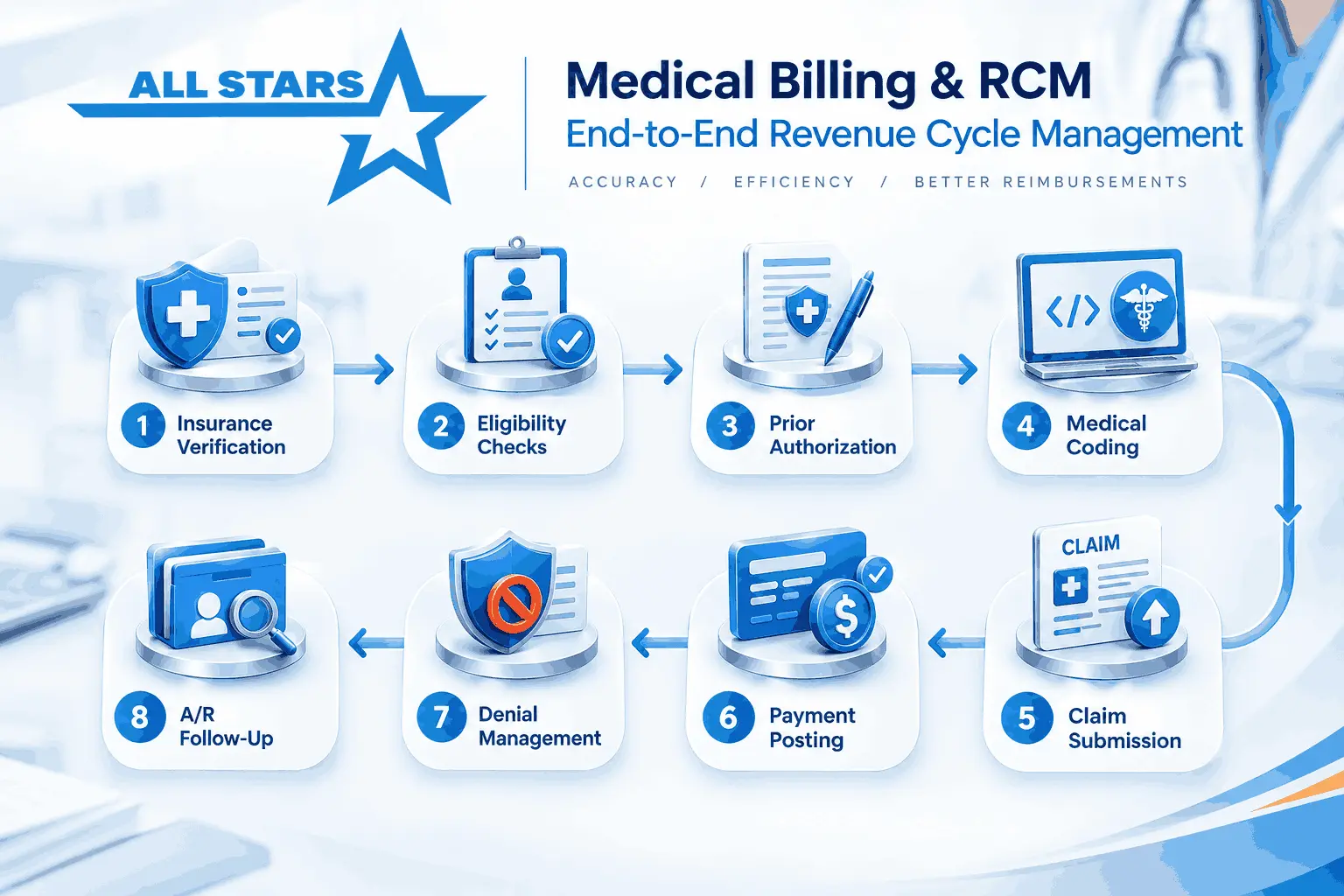
2. Rise of End-to-End Revenue Cycle Management (RCM)
Healthcare providers are shifting towards fully integrated Revenue Cycle Management systems.
What’s Changing:
- From fragmented billing to unified platforms
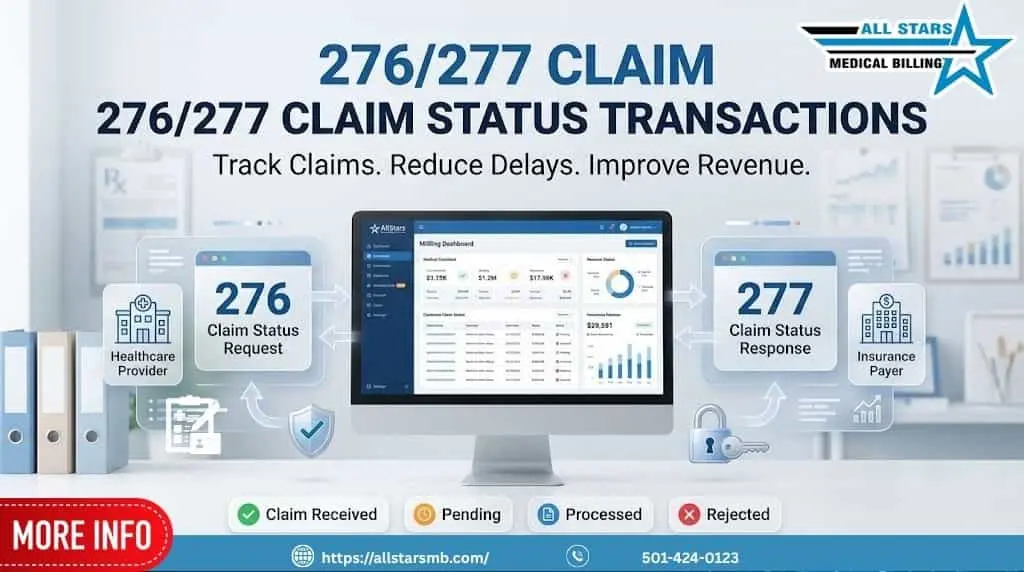
- Real-time tracking of claims and payments
- Better financial visibility
This trend helps organizations improve cash flow and reduce administrative burden. However, transitioning to full RCM systems can be costly and requires proper training.
3. Increased Focus on Data Security and Compliance
With growing cyber threats, data protection is becoming a top priority in Medical Billing Trends 2026.
Key Developments:
- Stricter HIPAA compliance measures
- Advanced encryption technologies
- Regular security audits
While enhanced security protects patient data, it also increases operational complexity. Practices must invest in secure systems to avoid penalties and reputational damage.
4. Shift Toward Value-Based Care Models
The traditional fee-for-service model is gradually being replaced by value-based care.
What This Means for Billing:
- Payments based on patient outcomes
- More complex billing structures
- Need for accurate documentation
This shift improves patient care but makes billing processes more challenging. Errors in documentation can directly impact reimbursements.
5. Cloud-Based Billing Solutions Are Dominating
Cloud technology is revolutionizing how billing systems operate.
Advantages:
- Remote access to billing data
- Lower infrastructure costs
- Easy scalability
However, cloud adoption also raises concerns about data privacy and system downtime. Choosing a reliable provider is crucial.
6. Outsourcing Medical Billing Is Growing
Many healthcare providers are outsourcing billing services to specialized companies.
Why It’s Trending:
- Cost savings
- Access to expert billers
- Improved claim success rates
But outsourcing comes with risks like reduced control and dependency on third-party vendors.
7. Patient-Centric Billing Is Becoming Essential
Patients now expect transparency and convenience in billing.
New Expectations:
- Clear and easy-to-understand invoices
- Flexible payment options
- Online billing portals
Poor billing experiences can damage patient trust, while a smooth process improves satisfaction and retention.
8. Advanced Analytics for Better Decision-Making
Data analytics is playing a critical role in shaping billing strategies.
Key Uses:
- Identifying revenue leaks
- Tracking key performance indicators (KPIs)
- Forecasting financial trends
Analytics tools empower providers to make smarter decisions, but interpreting complex data requires skilled professionals.
9. Integration with Electronic Health Records (EHR)
Seamless integration between billing systems and EHRs is becoming standard.
Benefits:
- Reduced data entry errors
- Faster claim submissions
- Improved workflow efficiency
However, poor integration can lead to system conflicts and delays.
10. Continuous Staff Training and Upskilling
As billing systems evolve, staff training is more important than ever.
Focus Areas:
- New coding standards
- Updated compliance rules
- Technology adoption
Organizations that neglect training risk falling behind in this rapidly changing environment.
Conclusion: Stay Ahead or Fall Behind
The Medical Billing Trends 2026 highlight a clear reality: the future of medical billing is both promising and demanding. While innovations like AI, cloud computing, and analytics offer powerful advantages, they also introduce new complexities.
Healthcare providers must strike a balance between adopting new technologies and maintaining operational control.
Ready to Lead the Future of Medical Billing?
Are you ready to adapt to the latest Medical Billing Trends 2026 and future-proof your revenue cycle?
Start by evaluating your current billing system, investing in the right technology, and training your team. Whether you choose in-house optimization or outsourcing, taking action today will ensure long-term success.
Don’t wait—upgrade your billing strategy now and stay ahead of the competition!