Healthcare providers are exposed to various risks while providing patient care and managing practice operations. Risks including professional errors and malpractice, accidents, property damage, and third-party injuries can be costly not only financially but legally as well. Having proper insurance is a good way for healthcare practice to avoid financial and legal problems.
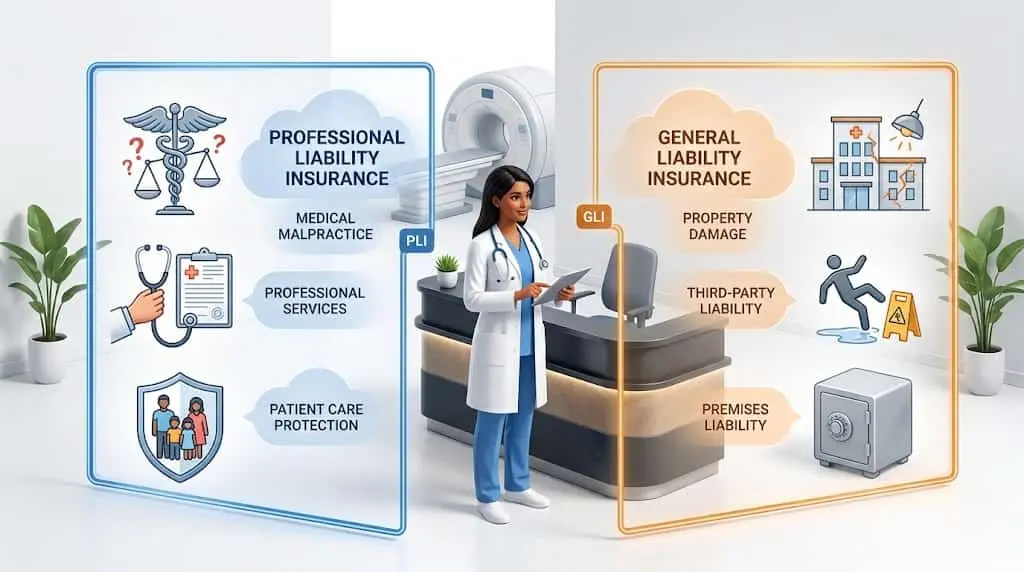
There are two kinds of business insurance that healthcare providers can have Professional Liability Insurance (PLI) and General Liability Insurance (GLI). While these insurances are liability-based, they offer protection from different risks. Typically, PLI covers professional risks, whereas GLI offers protection from third-party bodily injury, property damage, and some other incidents related to business.
The distinction between PLI vs GLI is critical for physicians, medical practices, clinics, healthcare organizations, and other healthcare providers. This guide will cover what PLI and GLI are, what kind of insurance policies they are, how they are different from each other, what each of them covers, and why healthcare providers might need one or both.
What Is PLI? Professional Liability Insurance Explained for Healthcare Providers
Professional liability insurance (PLI) refers to an insurance cover for professionals whose professional services result in financial losses as a result of claims. In healthcare settings, PLI is very essential since medical professionals have the responsibility of making decisions that are very risky, either legally or financially.
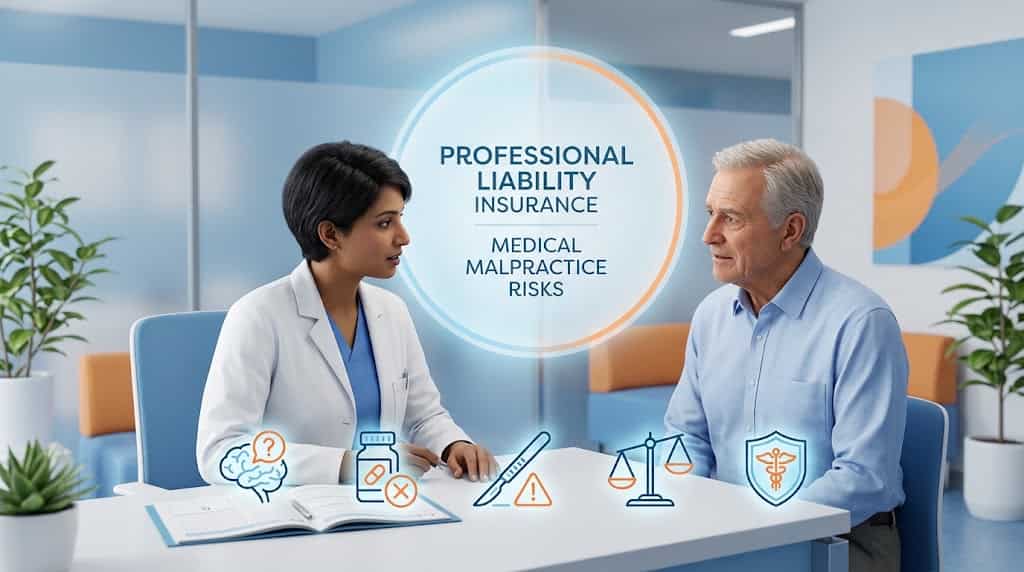
As a rule, PLI in healthcare sector is usually referred to medical malpractice insurance. It is supposed to provide the insured with the cover of some legal defense costs, settlements, and judgments that come about due to claims against the professional services provided.
What Is Covered under Professional Liability Insurance?
Generally, the professional liability insurance covers the risks related to the professional services of the medical practitioners. Based on the policies and coverage offered, PLI covers:
- Professional negligence claims
- Mistakes made during the delivery of professional services
- Failure to provide the expected professional standard of care
- Injury or harm caused by the professional service provided
- Legal defense costs associated with the claims covered
There is no universal guarantee, and thus healthcare providers must consider insurance coverage restrictions, exclusions, deductibles, and policy provisions.
Importance of PLI for Healthcare Providers
Healthcare professionals work in an industry that poses a risk of adverse outcomes. The truth is that even when a provider feels that there has been a right course of action, the patient will bring forth an accusation or a claim.
Professional Liability Insurance may assist in minimizing the effect of claims by reducing financial burden associated with covered professional liabilities, depending on the specific policy terms.
Therefore, professional liability insurance may be one of the important elements of risk management for physicians, dentists, therapists, nurses, and other healthcare professionals.
What Is GLI? General Liability Insurance Explained for Healthcare Providers
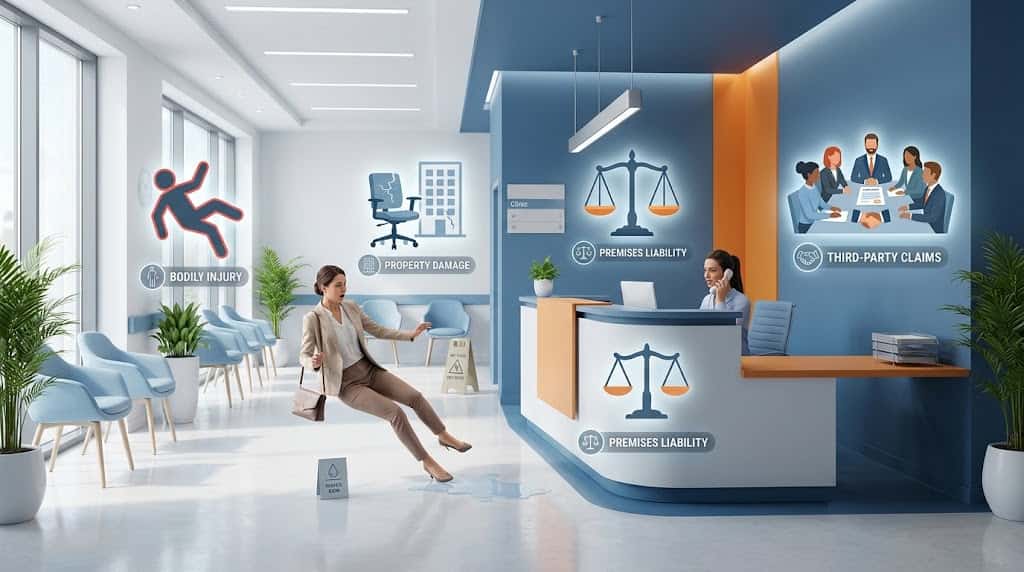
General Liability Insurance (GLI) is a kind of business insurance intended to protect businesses from liability claims concerning injuries, property damage, and others. In case of health care organizations, GLI may become one of the components of their risk management strategy since clinics, medical offices, and other healthcare facilities have contacts with various third parties every day.
Professional Liability Insurance (PLI) deals mostly with risks associated with professional services, while General Liability Insurance (GLI) concerns some specific risks of physical premises and general business operation. Comparison of these two insurances will help healthcare providers to understand what kind of insurance is necessary for their practice.
What Does General Liability Insurance Cover?
The actual scope of coverage will be contingent upon the insurance policy, but the following types of claims are generally included under GLI:
- Bodily injury: Injury to a third party sustained at the place of business premises or caused by business operations of the insured.
- Property damage: Property damage caused by business operations of the insured to the property of a third party.
- Personal and advertising injury: Injuries from claims that include things like libel, slander, or any advertising-related issue.
- Legal defense costs: Defense costs associated with a liability claim made against the insured.
Healthcare practices must evaluate the scope of coverage in their own individual policy.
Why Is GLI Important for Healthcare Providers?
Not only professional risks affect healthcare organizations. They run establishments where patients, staff members, vendors, and visitors can come into contact.
Consider, for instance, a situation where a client comes to a clinic and slips because of a wet floor in the reception area. This can result in a claim involving bodily harm and could belong to the class of risks covered by general liability insurance under certain conditions.
GLI, therefore, can offer another level of protection against risks that are distinct from those of professional negligence or malpractice claims.
PLI vs. GLI: Common Examples and Claims Healthcare Providers Should Know
Healthcare providers can face different types of liability claims while delivering patient care and managing their practices. Professional Liability Insurance (PLI) generally addresses claims related to professional healthcare services, while General Liability Insurance (GLI) generally focuses on certain third-party bodily injury, property damage, and other business-related risks.
Common PLI Claims
Professional Liability Insurance, often associated with medical malpractice insurance in healthcare, may apply to claims involving alleged professional negligence or errors in patient care. Common examples include:
- Misdiagnosis or delayed diagnosis
- Medication or dosage errors
- Surgical or procedural errors
- Failure to meet the applicable standard of care
- Inadequate patient assessment or treatment
- Alleged failure to obtain informed consent
Common GLI Claims
General Liability Insurance generally addresses certain risks connected to a healthcare practice’s premises and business operations rather than the professional medical service itself.
Common examples include:
- Patient or visitor slip-and-fall accidents
- Third-party bodily injury
- Accidental third-party property damage
- Premises-related injuries
- Certain personal and advertising injury claims
PLI vs. GLI: Simple Examples
| Situation | Likely Coverage |
|---|---|
| Misdiagnosis allegation | PLI |
| Medication error | PLI |
| Surgical error | PLI |
| Professional negligence | PLI |
| Visitor slip-and-fall | GLI |
| Third-party property damage | GLI |
| Premises-related injury | GLI |
These examples are general. Actual coverage depends on the specific insurance policy, exclusions, limits, and circumstances of the claim.
Why Healthcare Providers Should Understand Both
A healthcare practice can face professional risks and general business risks at the same time. PLI can help address certain claims arising from professional healthcare services, while GLI can address certain risks associated with operating the practice. The National Association of Insurance Commissioners recognizes medical professional liability as coverage for healthcare professionals and notes that it can include defense costs associated with covered claims.
Understanding PLI vs. GLI can therefore help healthcare providers identify potential coverage gaps and make more informed risk-management decisions.

GLI vs. PLI: What’s the Difference?
One of the most important things healthcare providers should understand is that GLI and PLI are not the same type of coverage.
| PLI | GLI |
|---|---|
| Professional Liability Insurance | General Liability Insurance |
| Focuses on professional services | Focuses on certain general business risks |
| May address professional negligence claims | May address bodily injury or property damage claims |
| Commonly associated with malpractice coverage in healthcare | Commonly associated with premises and operational liability |
| Protects against certain professional-service risks | Protects against certain third-party business risks |
PLI vs. GLI: Key Coverage Differences
The simplest way to understand the difference is to consider what caused the claim.
| Coverage Area | PLI | GLI |
|---|---|---|
| Professional negligence | Generally designed for this | Generally not the primary coverage |
| Errors or omissions in professional services | Generally covered subject to policy | Generally not the primary coverage |
| Patient injury caused by professional services | May apply | Generally not the primary coverage |
| Visitor slip-and-fall | Generally not the primary coverage | May apply |
| Third-party property damage | Generally not the primary coverage | May apply |
| Premises-related liability | Generally not the primary coverage | May apply |
| Legal defense | May apply to covered professional claims | May apply to covered general liability claims |
This table provides a general comparison. Actual coverage depends on the specific insurance contract.
Why Do Healthcare Providers Need PLI and GLI?
Healthcare providers face a wide range of professional and business risks every day. Physicians, clinics, medical practices, therapists, dentists, and other healthcare organizations must protect themselves not only from risks associated with patient care but also from accidents and liabilities connected to their business operations.
Two important types of insurance that healthcare providers may consider are Professional Liability Insurance (PLI) and General Liability Insurance (GLI). Although these policies serve different purposes, both can play an important role in a healthcare practice’s overall risk-management strategy.
Understanding why healthcare providers need PLI and GLI can help practice owners identify potential coverage gaps and make more informed insurance decisions.
Common PLI vs GLI Claims
Liability claims that can be brought against health care providers come in various forms. Professional Liability Insurance (PLI), for example, may provide coverage for claims arising from the provision of professional services including misdiagnosis, drug errors, surgery errors, negligence, or failure to adhere to the standard of care. On the other hand, General Liability Insurance (GLI) is typically designed to cover the risk of various business-related liabilities such as slip and fall by patients or visitors on the property of the health care provider.
How to Choose the Right PLI vs GLI Coverage for Healthcare Providers
Selecting appropriate PLI vs GLI coverages requires careful consideration. As healthcare providers, physicians, clinics, medical practices, and other healthcare organizations deal with both professional and business-related risks, the selection of appropriate insurance is one way to mitigate risks and avoid coverage gaps. Professional Liability Insurance (PLI) usually includes professional claims only, whereas General Liability Insurance (GLI) usually covers some specific types of third-party bodily injury, property damage, and business-related risks.
- Identify Risks Associated with Your Practice
It is necessary to assess risks related to your healthcare services, employees, medical practice facilities, medical equipment, and general business operations. Healthcare practices providing complicated medical procedures have various risks as compared to small outpatient clinics.
- Identify Your PLI Policy Coverages
Take a close look at your PLI policy coverages, such as professional negligence, errors, omissions, defense, and other covered claims.
- Examine GLI Policy
Review your General Liability Insurance policy for risks associated with injury to patients or visitors, slips and falls, third party property damage, and other premises liability.
- Compare the Limits
Avoid choosing a policy solely based on cost. You need to compare the policy limits to determine if they are adequate considering the size and scope of your operation.
- Review Policy Exclusions
Thoroughly examine policy exclusions and limitations. Being aware of what is excluded from coverage is just as important as being informed about what is covered. Professional liability insurance will not necessarily cover certain aspects of your operations or risks associated with cyber operations, employment issues, etc. Additional policies may be required to cover these risks.
- Look at Contractual Requirements
Certain hospitals, landlords, or medical organizations may have requirements regarding the amount of insurance and type of coverage needed to work with them.
- Consider Other Necessary Coverages
Professional liability insurance and general liability insurance may not cover all risks related to your business. Certain cyber insurance, workers’ compensation, commercial property, commercial interruption, or employment practices liability insurance may be necessary depending on the nature of your business operations.
- Periodically Evaluate Your Insurance Policy Coverage
As your medical practice expands, your insurance needs may change, too.
How PLI vs GLI Fit Into Healthcare Risk Management
PLI vs GLI should be viewed as complementary rather than competing forms of insurance.
PLI helps address professional-service risks, while GLI helps address certain general business and premises-related risks. Together with other appropriate coverage, they can form part of a healthcare practice’s broader risk-management approach.
Other insurance needs may include:
- Cyber liability insurance
- Workers’ compensation
- Commercial property insurance
- Business interruption coverage
- Employment practices liability insurance
- Commercial auto insurance
1. What is the difference between PLI vs GLI?
Professional Liability Insurance (PLI) generally covers claims related to professional services, such as alleged negligence, errors, or omissions. General Liability Insurance (GLI) generally covers certain third-party bodily injury, property damage, and other business-related risks.
Does PLI cover medical malpractice claims?
PLI is commonly associated with medical malpractice insurance in healthcare and may cover certain malpractice-related claims, including legal defense costs, settlements, or judgments, subject to the policy terms and exclusions.
What does GLI cover for a medical practice?
Depending on the policy, GLI may cover certain third-party bodily injury, property damage, premises-related incidents, and personal or advertising injury claims.
What other insurance may healthcare providers need?
Depending on their operations, healthcare organizations may also consider cyber liability, workers’ compensation, commercial property, business interruption, and employment practices liability insurance.
Simplify Healthcare Practice Operations with AllStars
Running a healthcare practice is not only about treating patients; there are several administrative aspects of running such a business, which include but are not limited to medical billing, coding, claims management, credentialing, denial management, A/R management, and revenue cycle management.
AllStars Medical Billing & IT Services provides solutions that allow healthcare providers to simplify their administrative and revenue cycle processes through dependable medical billing and coding, claims management, credentialing, denial management, payment posting, A/R recovery, and IT services for healthcare.
Focus on delivering quality healthcare to your patients while we help you improve your practice’s administrative procedures and billing process.
Understanding topics like PLI vs. GLI is also important for healthcare providers when evaluating their overall risk-management and insurance needs. AllStars Medical Billing & IT Services offers a variety of healthcare solutions to help simplify healthcare practice operations.