Cybersecurity is the process of protecting digital systems, networks, applications, and data from cyber threats, unauthorized access, and security breaches.
Table of Contents
For healthcare organizations, cybersecurity is especially important because they handle highly sensitive information, including patient medical records, insurance details, and financial data.
In today’s digital healthcare environment, cybersecurity and medical billing go hand in hand. As healthcare providers increasingly rely on electronic medical billing systems to manage patient registration, insurance verification, medical coding, claim submission, payment posting, and Revenue Cycle Management (RCM), protecting sensitive patient and financial information has become a top priority. The growing use of digital technologies has improved efficiency, but it has also increased the risk of cyber threats such as ransomware, phishing attacks, data breaches, malware, and identity theft.
These evolving security challenges make cybersecurity for medical billing essential for every healthcare organization. Strong cybersecurity measures help protect confidential patient data, ensure secure claim processing, maintain HIPAA compliance, prevent financial losses, and keep billing operations running without interruption.
This article explains how healthcare providers can protect patient data and prevent cyber threats by implementing effective cybersecurity practices throughout the medical billing process. It also explores the importance of cybersecurity in Revenue Cycle Management (RCM), common cyber risks, and the best strategies for securing healthcare information while improving billing efficiency and financial performance.
Understanding the Main Goals of Cybersecurity
Cybersecurity is not only about preventing hackers from accessing systems. It is a complete approach to protecting digital information, maintaining system reliability, and ensuring that sensitive data remains safe and available when needed.
The main goals of cybersecurity are based on three core principles known as the CIA Triad:
- Confidentiality
- Integrity
- Availability
These three principles create the foundation of an effective cybersecurity strategy, especially in industries like healthcare and medical billing where protecting sensitive patient information is critical.
How Cybersecurity Works in Medical Billing
Cybersecurity protects every stage of the medical billing process by securing sensitive patient and financial information from unauthorized access, cyberattacks, and data breaches. It uses technologies such as encryption, multi-factor authentication (MFA), firewalls, secure networks, and access controls to keep billing systems safe.
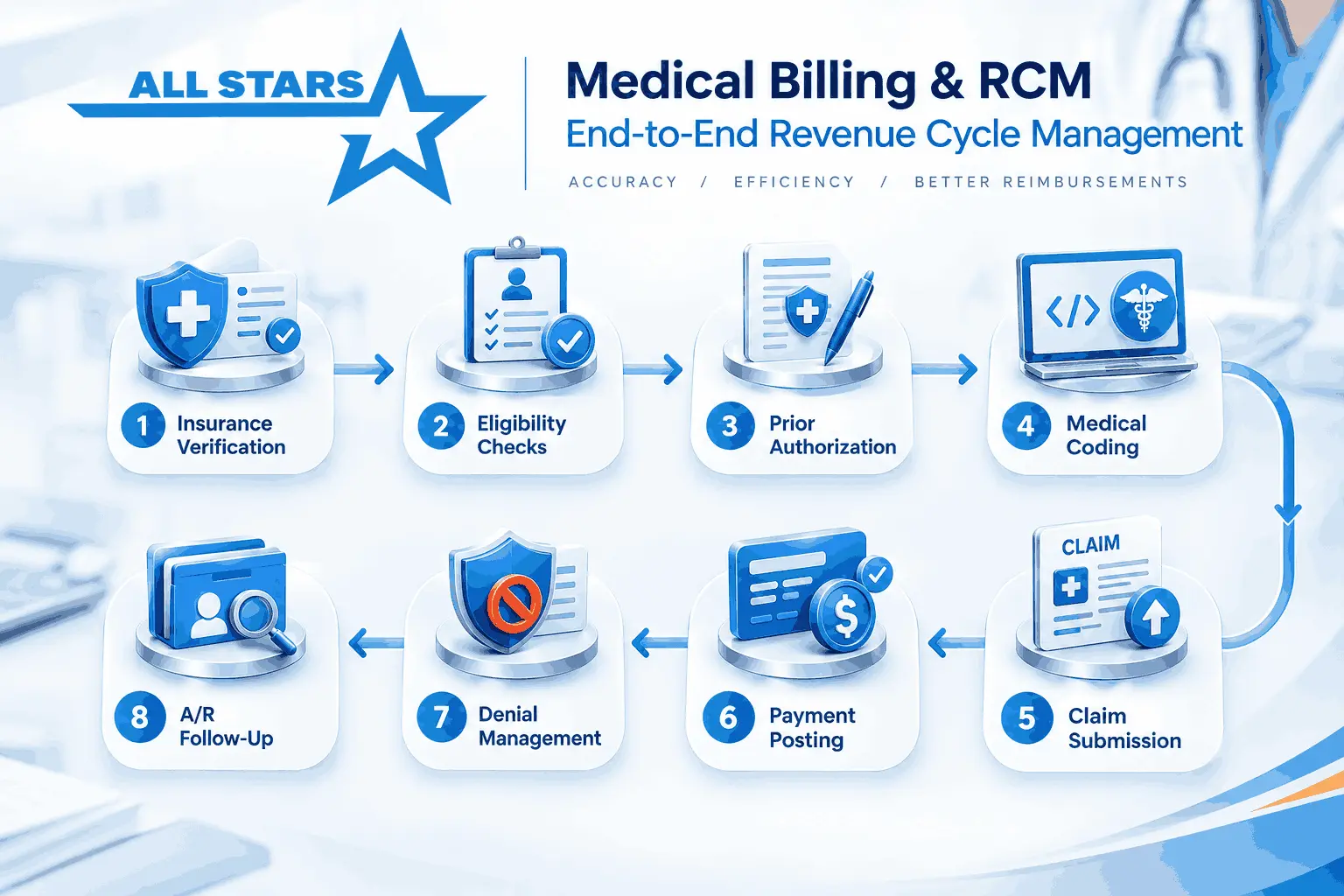
From patient registration and insurance verification to medical coding, claim submission, payment posting, and accounts receivable (AR) follow-up, cybersecurity ensures that data is transmitted, stored, and accessed securely. It also monitors systems for suspicious activity, prevents unauthorized users from accessing confidential information, and helps healthcare organizations comply with HIPAA regulations.
By implementing strong cybersecurity measures, healthcare providers can reduce claim disruptions, prevent fraud, protect patient privacy, maintain accurate billing records, and ensure a secure and efficient revenue cycle management (RCM) process.
Importance of Cybersecurity for Medical Billing
Cybersecurity is essential in medical billing because it protects sensitive patient, insurance, and financial information throughout the revenue cycle. Medical billing systems process large volumes of confidential data, making them a common target for cyber threats such as ransomware, phishing attacks, malware, and data breaches.
Strong cybersecurity helps healthcare providers maintain the confidentiality, integrity, and availability of patient information while ensuring secure claim processing and accurate billing. It also reduces the risk of fraud, minimizes claim delays, prevents financial losses, and supports compliance with HIPAA and other healthcare regulations.
By implementing robust cybersecurity measures, healthcare organizations can protect patient privacy, improve operational efficiency, maintain uninterrupted billing operations, enhance patient trust, and ensure timely reimbursements. A secure medical billing system not only safeguards valuable data but also contributes to a more reliable and efficient Revenue Cycle Management (RCM) process.
Cybersecurity Challenges in Medical Billing
Medical billing involves processing sensitive patient and financial data, making it a common target for cyber threats.
1. Unauthorized Access
Hackers may attempt to access billing systems and steal confidential information. Strong authentication and access controls help prevent unauthorized access.
2. Data Sharing Risks
Sensitive data is shared with providers, insurers, and clearinghouses. Encryption and secure file transfers help protect information during transmission.
3. Human Error
Mistakes such as clicking phishing links, sharing passwords, or using unsecured devices can lead to security breaches. Regular employee training reduces these risks.

How AllStars Medical Billing & IT Services Supports Cybersecurity
At AllStars Medical Billing & IT Services, we understand that efficient medical billing depends on both financial accuracy and strong cybersecurity. Our team combines industry-leading medical billing expertise with reliable IT solutions to help healthcare providers streamline their revenue cycle while protecting sensitive patient and financial information from evolving cyber threats.
We implement secure workflows, modern technology, and best security practices to ensure that every stage of the medical billing process from patient registration and insurance verification to claim submission, payment posting, denial management, and accounts receivable (AR) follow-up is handled securely and efficiently.
Our Security-Focused Services Include:
- Secure Medical Billing Operations : Accurate and secure claim processing with protected patient and billing data.
- Medical Coding Services: Precise coding supported by secure systems to reduce errors and improve reimbursements.
- Insurance Eligibility Verification: Safe verification of patient insurance information through secure communication channels.
- Claims Submission and Tracking: Encrypted electronic claim submission and real-time claim monitoring.
- Denial Management and AR Follow-Up: Secure handling of denied claims and outstanding accounts to maximize revenue recovery.
- HIPAA-Conscious Data Handling: Secure management of electronic Protected Health Information (ePHI) using industry best practices.
- IT Infrastructure Support: Reliable network management, system maintenance, and technical support to keep healthcare operations running smoothly.
- Website Development and Security: Professional healthcare websites protected with SSL encryption, secure hosting, and regular security updates.
- Cloud Solutions: Secure cloud-based technologies that enable safe access to billing systems while protecting sensitive data.
- Data Protection Strategies: Encryption, secure backups, disaster recovery planning, and access controls to safeguard confidential information.
- Technology Consulting: Expert guidance on improving cybersecurity, digital infrastructure, and healthcare technology solutions.
Why Choose AllStars Medical Billing & IT Services?
By integrating advanced cybersecurity practices with professional medical billing services, AllStars Medical Billing & IT Services helps healthcare providers:
- Protect sensitive patient and financial information.
- Reduce claim denials and billing errors.
- Accelerate insurance reimbursements.
- Improve Revenue Cycle Management (RCM).
- Minimize cybersecurity risks and operational downtime.
- Maintain HIPAA compliance and industry best practices.
- Enhance patient trust through secure data handling.
- Focus more on patient care while experienced professionals manage billing and IT operations.
Our commitment to security, accuracy, and innovation enables healthcare providers to achieve greater financial performance while ensuring that their valuable healthcare data remains protected against today’s evolving cyber threats.

Benefits of Cybersecurity for Healthcare Providers
Strong cybersecurity helps healthcare organizations:
✅ Protect patient data
✅ Reduce cyberattack risks
✅ Maintain HIPAA compliance
✅ Prevent billing disruptions
✅ Improve trust with patients
✅ Secure financial information
Importance of Confidentiality in Medical Billing
For medical billing companies like AllStars Medical Billing & IT Services, maintaining confidentiality helps:
- Secure sensitive billing information
- Protect patient privacy
- Maintain HIPAA compliance
- Build trust with healthcare providers
- Prevent unauthorized data exposure
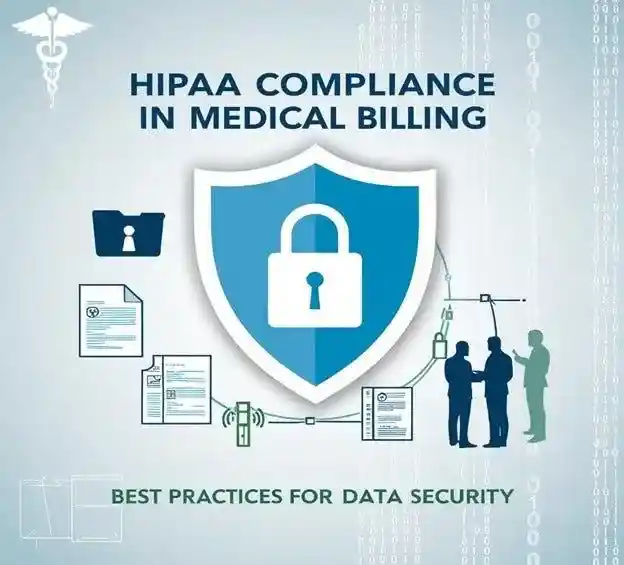
HIPAA-Compliant Data Protection
Healthcare organizations must follow HIPAA regulations to protect patient information. Secure data handling, access controls, and privacy practices help ensure compliance.
Secure Claim Processing
Our medical billing process focuses on accurate and secure claim submission while minimizing errors and preventing unauthorized access.
Advanced IT Security Solutions
Our IT services help businesses strengthen their technology infrastructure through:
- Network security
- Data protection solutions
- Website security
- Cloud security
- Technical support
- Security monitoring
Importance of Employee Security Training
Technology alone cannot prevent every cyber threat. Employees play an important role in protecting healthcare information.
Regular cybersecurity training helps staff:
- Recognize phishing attempts
- Create strong passwords
- Follow secure data-sharing practices
- Report suspicious activities
A well-trained team creates an additional layer of protection.
Future of Cybersecurity in Healthcare
As healthcare technology continues to grow, cybersecurity will become even more important. Digital billing systems, cloud platforms, and automation provide better efficiency but also require stronger security protection.
Healthcare providers need trusted partners who understand both medical billing and technology security to protect their operations.
Cybersecurity is the foundation of safe digital healthcare operations. It protects sensitive patient information, prevents cyber threats, and ensures that medical billing processes continue smoothly.
For healthcare providers, choosing a medical billing partner with strong cybersecurity practices is essential for protecting data and improving operational efficiency. AllStars Medical Billing & IT Services provides secure medical billing and IT solutions designed to support modern healthcare organizations.
What is cybersecurity in medical billing?
Cybersecurity in medical billing refers to the protection of sensitive patient information and financial data during the billing process. It involves implementing security measures to prevent unauthorized access, data breaches, and fraud. This includes using encryption, secure networks, access controls, and regular audits to ensure compliance with regulations like HIPAA.
Why is cybersecurity important in medical billing?
Cybersecurity is important because medical billing systems handle sensitive patient data. Strong security measures help protect confidential information, ensure HIPAA compliance, prevent financial losses, and keep billing operations running smoothly.
What types of data are protected in medical billing systems?
Medical billing systems protect patient demographics, medical records, diagnosis and procedure codes, insurance information, billing records, payment details, provider information, and electronic Protected Health Information (ePHI).
What are the most common cyber threats in medical billing?
Common cyber threats include phishing attacks, ransomware, malware, data breaches, insider threats, identity theft, and unauthorized access to billing systems.